Dusting
When arranged as part of routine cleaning, professional dusting delivers measurable improvements in cleanliness, health, equipment longevity, and overall appearance.
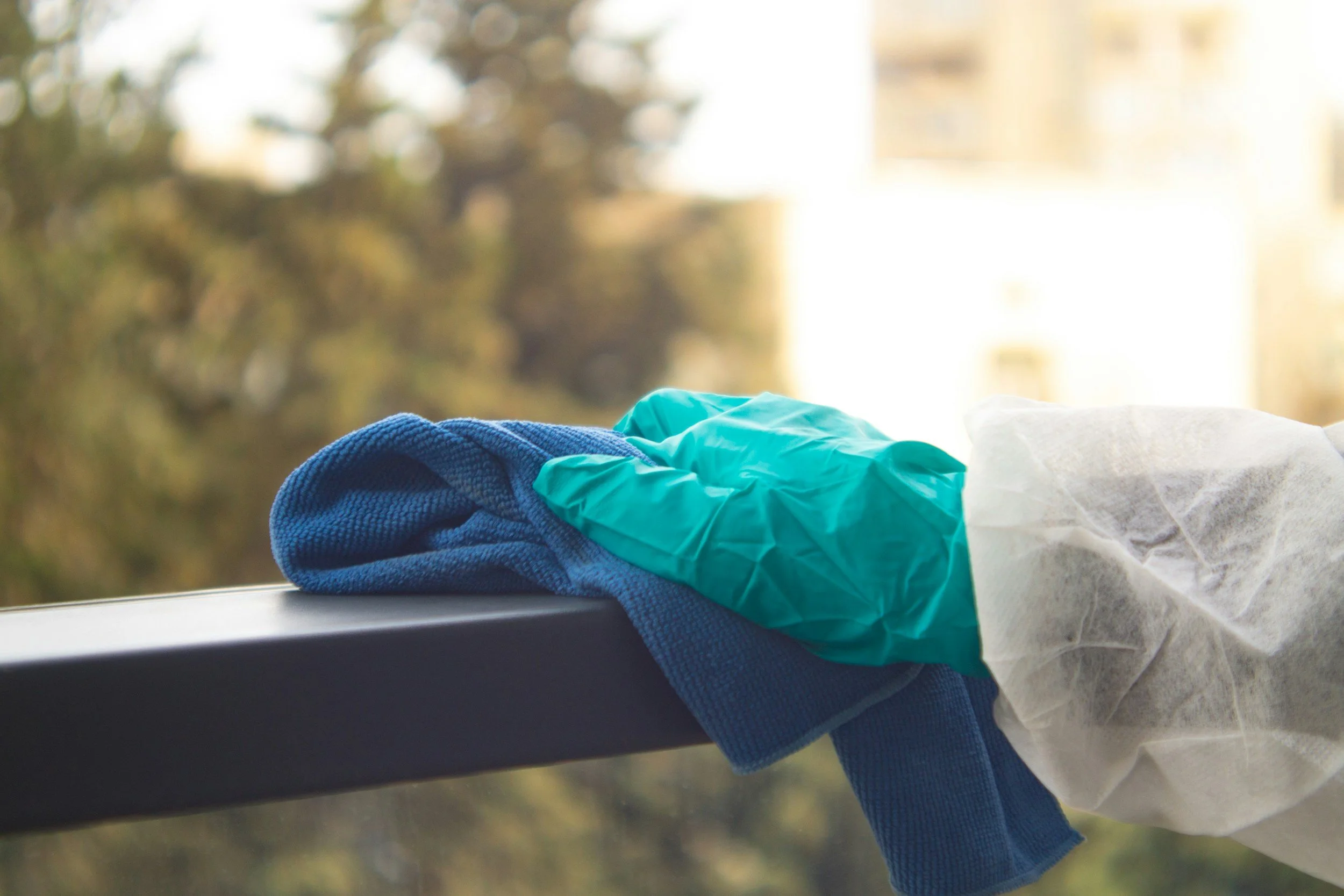
Assess dust-prone areas: shelves, baseboards, sills, fixtures, vents, electronics, frames, decor.
Dry dust: Remove loose dust with microfiber, dusters, or electrostatic tools.
Damp dust: Use slightly damp microfiber or mild cleaner for sticky/greasy or sensitive surfaces.
Detail dust: Clean fans, vents, moldings, and behind appliances with extendable dusters, vacuum attachments, or small brushes.
Textiles: Vacuum upholstery, drapes, lampshades; launder removable fabrics as needed.
Delicates/electronics: Use anti‑static cloths and low‑pressure vacuum tools.
Finish: Wipe or polish, replace items, inspect for missed spots.
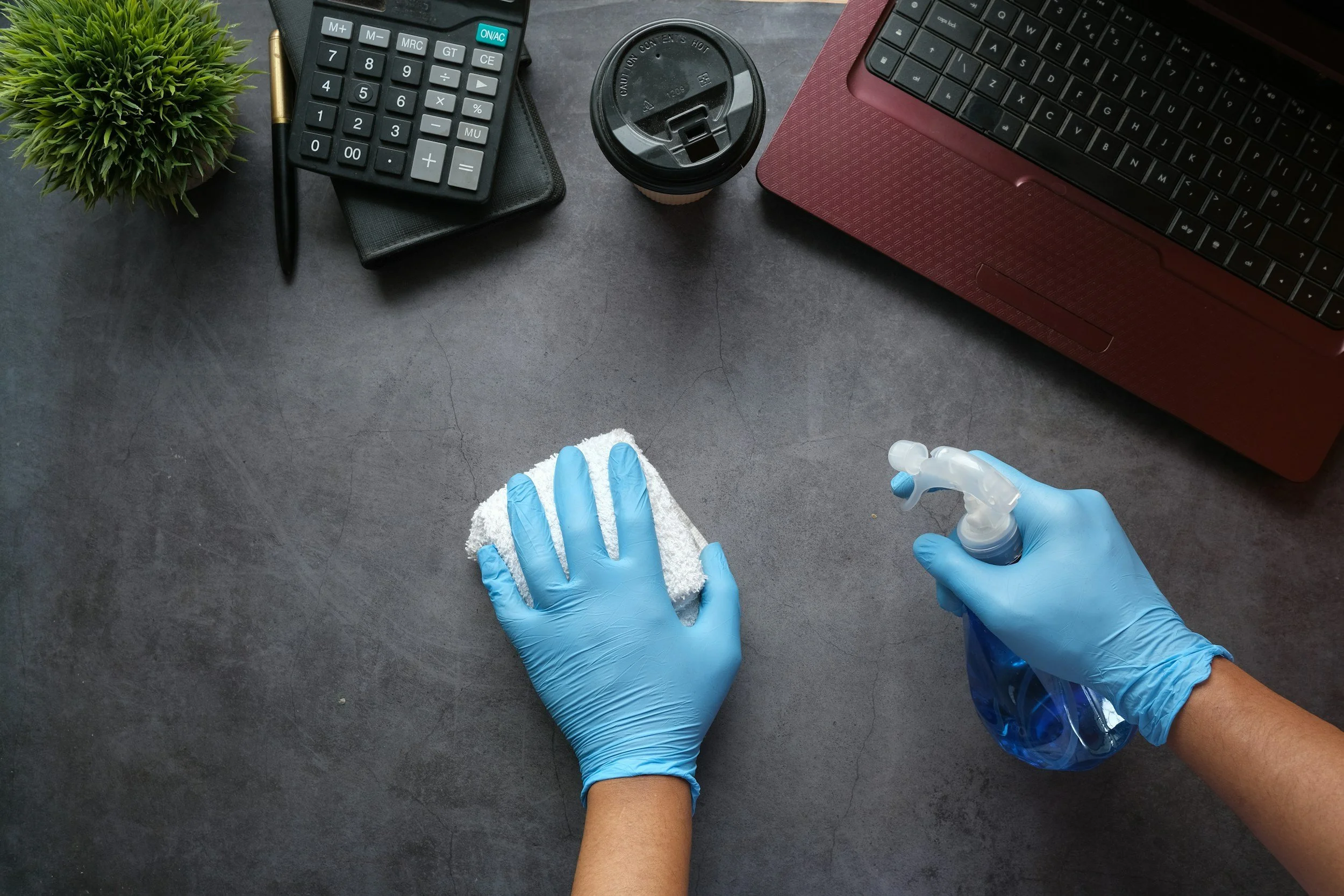
Benefits of professional dusting
Better air: Removes dust, pollen, pet dander, and particles so people breathe easier and allergens drop.
Healthier space: Cuts dust mites, mold spores, and bacteria for a safer environment.
Longer-lasting items: Prevents wear on furniture, electronics, and finishes.
More efficient HVAC: Clean vents and grilles help heating and cooling run better and use less energy.
Cleaner look: Dust-free spaces appear brighter and more professional.
Less future work: Regular dusting prevents heavy buildup and speeds up later cleaning.
Protects electronics: Reduces static and keeps dust out of sensitive equipment.
Better comfort and safety: Helps meet health expectations in workplaces, rentals, and public areas.